

Harvesting greens even in winter? Absolutely! Winter gardening brings unique challenges and opportunities. As the garden slows down and plants begin to die off, it’s an ideal time to start sowing crops that will grow throughout the winter months. In this guide, we’ll explore winter gardening techniques, covering everything from planting strategies to setting up protective structures. We’ll discuss the types of plants that thrive in winter conditions, how to prepare your garden beds, and the importance of factors like day length and temperature in winter gardening success.
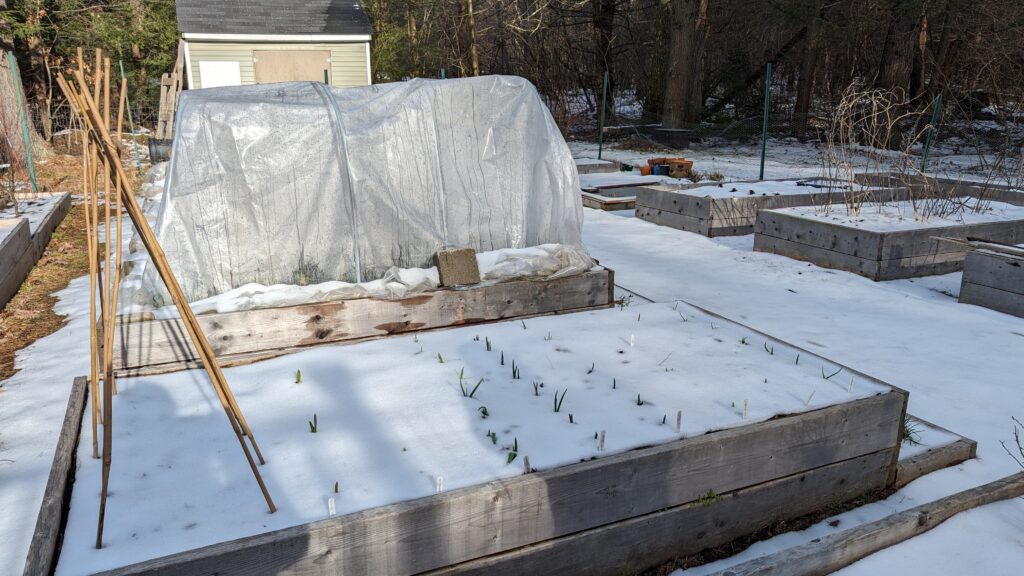
We’re in zone 6 here in New England and we have been winter gardening for a number of years. Yes, even in the snow! When planning your winter garden, it’s crucial to consider three key factors: day length, temperature, and plant selection. Plants typically require a minimum of 10 hours of daylight for growth, so knowing your location’s last and first 10-hour days of the year is essential. Additionally, understanding the cold tolerance of different plant varieties and providing appropriate protection from harsh winter conditions will greatly impact your garden’s productivity. By focusing on these elements and implementing proper techniques, you can enjoy a bountiful harvest even during the coldest months of the year.
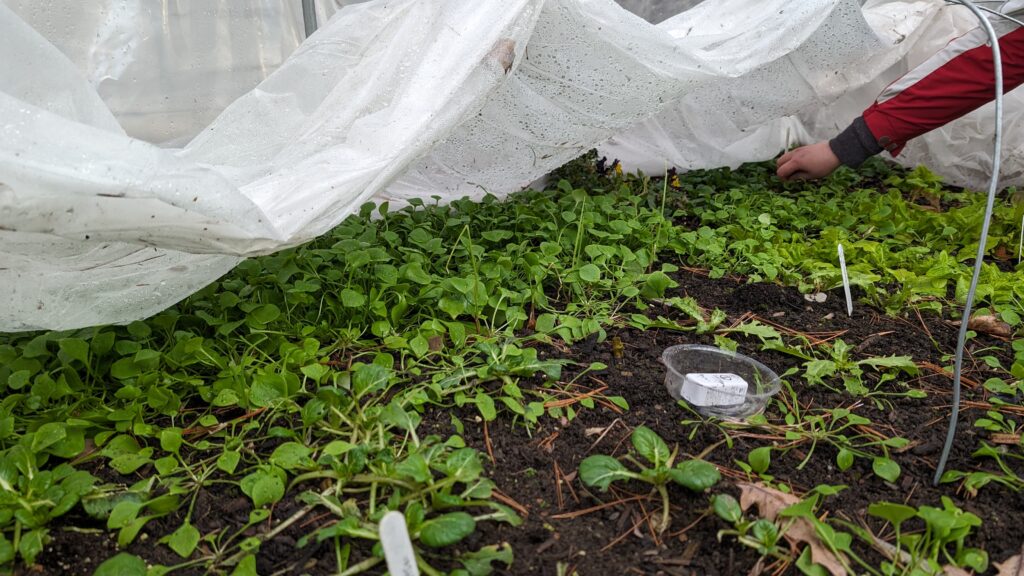
Selecting Plants for Winter Gardening
Day length is a crucial factor in winter gardening. Plants typically require a minimum of 10 hours of daylight for growth, so it’s essential to know your location’s last and first 10-hour days of the year. This information helps in planning your planting schedule and understanding when your plants will have enough light for active growth.
Temperature management is another critical aspect of winter gardening. Understanding the cold tolerance of different plant varieties is key to successful winter cultivation. Providing appropriate protection from harsh winter conditions, such as using row covers or small greenhouses, can significantly impact your garden’s productivity during the colder months.
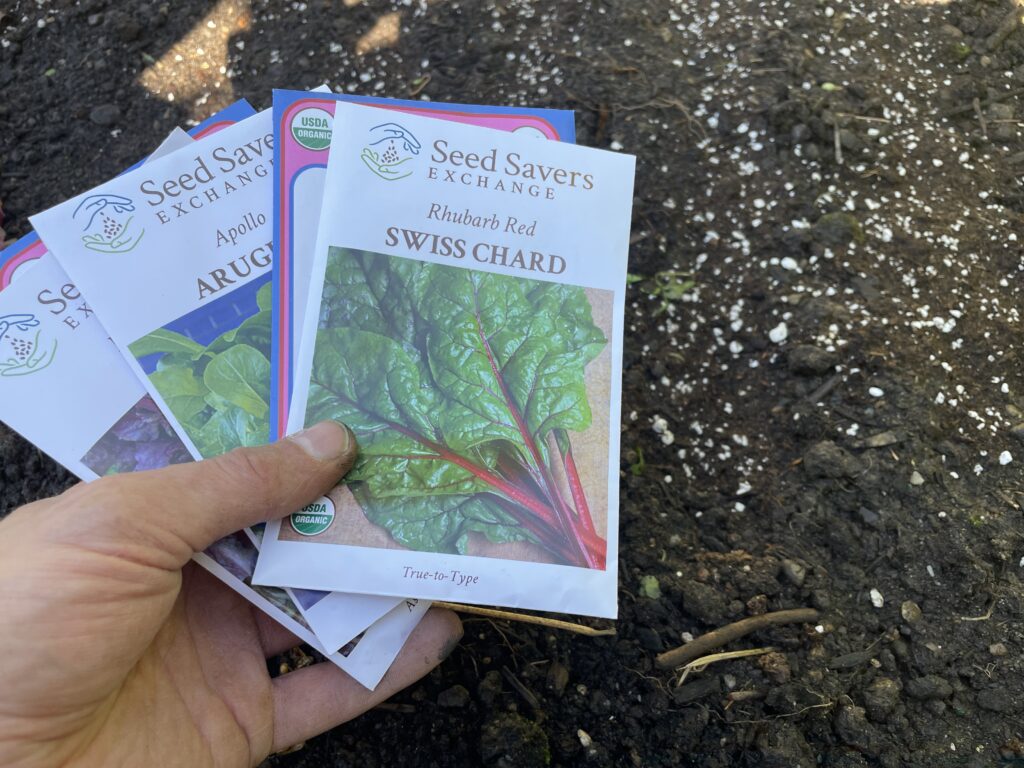
Selecting suitable plant types for winter is the third vital component of successful winter gardening. Some plants are naturally more cold-hardy and can thrive in winter conditions. Choosing these varieties ensures that your garden remains productive even when temperatures drop. Examples of winter-suitable crops include certain varieties of kale, spinach, and root vegetables like carrots and beets. Note that plants will grow more slowly during the winter. You expect plants to reach their maturity in about twice the number of days that says on the seed packet.
Setting Up Your Winter Garden
You don’t need a heated greenhouse to grow winter vegetables. A simple ‘mini’ greenhouse is a great way to increase your effective planting zone by one or two zones, giving your crops a place to grow during the cold winter.
Start by working backwards from your target harvest dates, allowing enough time for each crop to mature. Remember to factor in time for soil preparation and any necessary protection measures, such as installing row covers or cold frames. A well-planned schedule will help ensure a continuous harvest throughout the winter months and set you up for early spring planting.
Constructing Mini Greenhouses
We’ve had good success with constructing mini hoop-style houses over our raised beds. While you don’t need raised beds to make this work, they can help make it easier to harvest and to keep out potential pests.
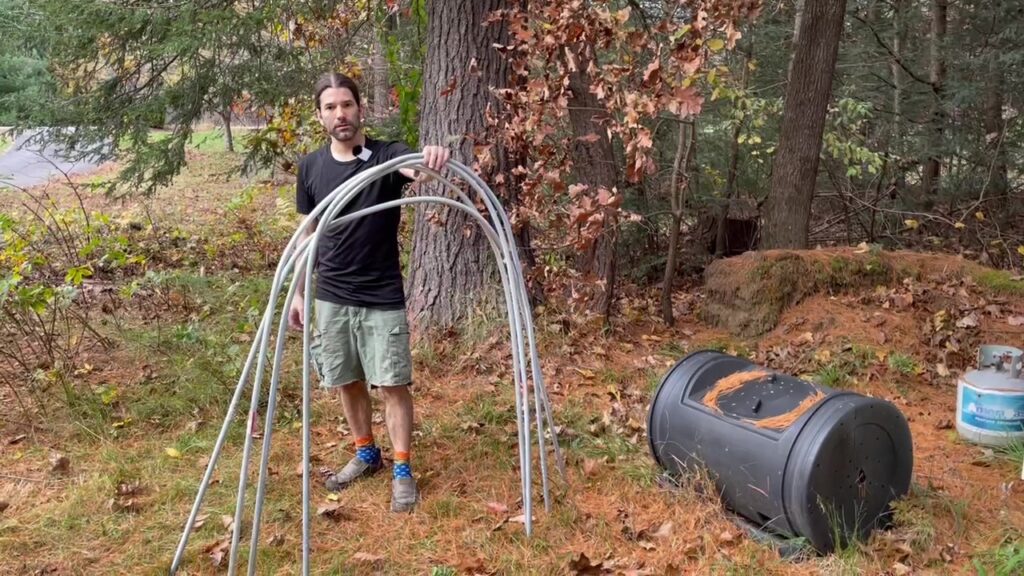
To make a mini hoop greenhouse, begin by measuring and cutting the appropriate length of aluminum electrical conduit. Ideally, find lengths that are appropriate for your beds and don’t requiring cutting. Bend the conduit into a U-shape, ensuring both ends are of equal length. Insert these ends into the soil or attach them to the sides of your raised bed for stability. Space the hoops evenly along the length of your bed to provide adequate support for the covering material.
Once your hoops are in place, carefully drape a sheet of greenhouse plastic over the entire structure. Secure the plastic tightly to the hoops using clips or ties, ensuring there are no gaps or loose areas where wind could penetrate. Trim any excess plastic, leaving enough material to anchor the edges to the ground or the sides of your raised bed.

Adding inner layer for extra protection: For additional insulation and frost protection, install a second layer inside the greenhouse structure. This can be row cover fabric or another layer of greenhouse plastic. Use wire to create this second hoop layer and secure the row cover to it (we use clothes pins). Leave some space between it and the outer layer to create an insulating air pocket. This double-layer system provides additional protection for your plants during harsh winter conditions.
Planting and Maintaining Your Winter Garden
Sowing seeds and transplanting seedlings are fundamental skills for any gardener. Winter sowing is really no different than sowing other times of the year. If you’re planting before setting up the hoop houses, plan to leave enough space around your planting area to allow the extra spaced needed.
Pest management in winter is an often overlooked but important aspect of gardening. While many pests are less active during colder months, some can still pose threats to overwintering plants or emerging spring growth.
We don’t grow any brassicas (cabbages, cauliflower, etc.) because we aways get some caterpillars and they just decimate the plants, even in winter. If something is difficult to grow in winter for whatever reason, try to grow an alternative.
Voles can be particularly troublesome in winter. They live in the subnivean zone, beneath the snow. They build tunnels through the snow and can easily get into winter beds. We have had success with raised beds. The voles are less likely to crawl up and over the sides of the bed.
Dealing with snow load: Managing snow accumulation is crucial in winter gardening. Heavy snow can damage weight down the tents and even cause collapse. Regularly brush off the snow and clear paths around the beds to maintain easy access.
Temperature Management
Speaking of temperatures, keeping a thermometer inside the winter greenhouse can help you monitor temperature fluctuations during the season. Knowing how your greenhouse and your plants respond to cold temperature is important. With this information you can better design your greenhouse or select appropriate plants.
During unseasonably warm spells or when spring comes around, keeping an eye out for warm temperatures inside the greenhouse is also important. You may need to open up the greenhouse for short periods to let excess out heat. Remember, the characteristics of plants that make them suitable for winter growing means that they may struggle when it’s hot. We’ve seen temperatures near 100F even in winter, with the right combination of sun and warmth.
Harvesting from Your Winter Garden
It is a good idea to check on your plants throughout the winter. Choose a sunny day to check to the tents. Don’t leave the tents open for very long and before to cover things up again before the sun gets too low in the sky, otherwise it may get too cold inside the tents.
As time goes on and the plants mature, you’ll be delighted to be picking a harvest greens in the middle of winter. Even when everything is covered in a blanket of snow, there will be greens in your winter garden beds.
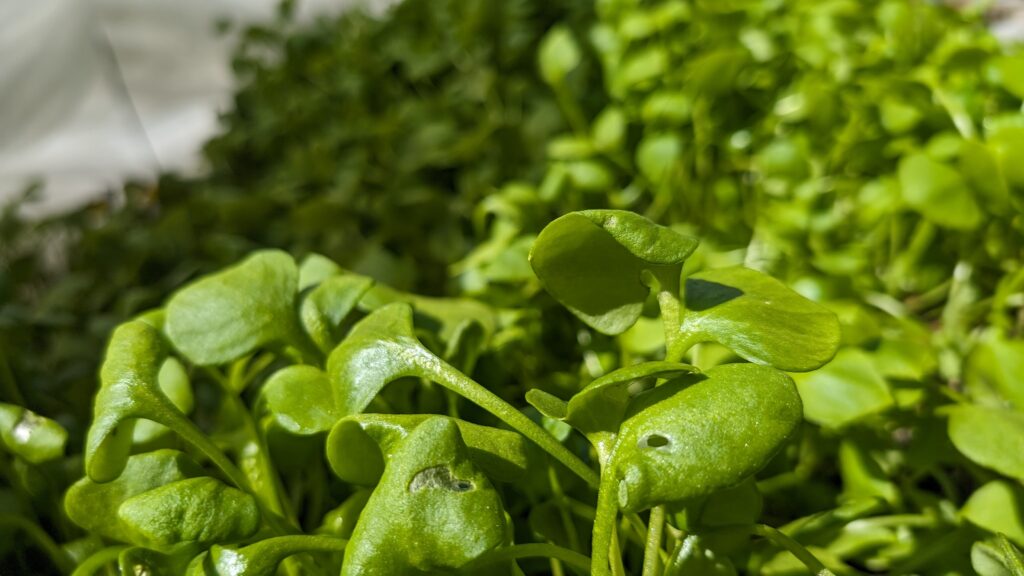
We like to grow plants that are cut and come again, like red lettuce, claytonia, and spinach. We can harvest what we need that day and let the rest to keep growing. Just remember to close everything up nice and tight when you’re done so that the warmth can build up again.
By following this comprehensive guide, you’ll be well-equipped to start your winter gardening journey and enjoy fresh produce throughout the colder months. Remember, winter gardening requires some extra effort, but the rewards of having your own homegrown vegetables during the off-season are well worth it. Happy gardening!
And if you’re looking for more info, check out our Winter Gardening playlist on YouTube!


COMMENTS