

Hello gardening enthusiasts! We’re diving into the world of planting bulbs and discussing five common mistakes that many gardeners make and how you can avoid them. With these quick tips, you’ll find it easier to get your bulbs in the ground and be well on your way to a successful spring display!
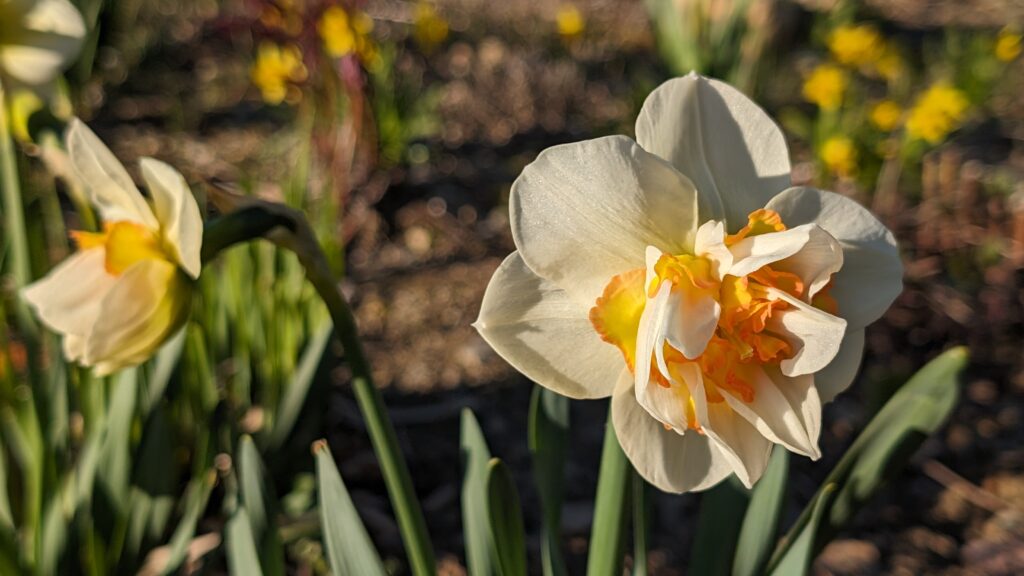
1. Timing and Bulb Planting Method
The first mistake often occurs with the timing and method of bulb planting. While bulbs flower in the spring, they need to be planted in the fall. This is because they need a minimum chilling period of 6 to 12 weeks. Depending on your location, aim to plant between September and December.
If you live in a warm climate without a proper winter, you can simulate this chilling period by placing your bulbs in the refrigerator for 6 to 12 weeks before planting.
When planting, follow the instructions specific to the bulbs. Daffodils, for example, prefer a sunny location with well-draining soil. Pay attention to the orientation of the bulb – the flat, basal end (where roots emerge) should face down, while the pointy end should face up. If you’re unsure about a bulb’s orientation, plant it on its side; the bulb will naturally grow in the correct direction.
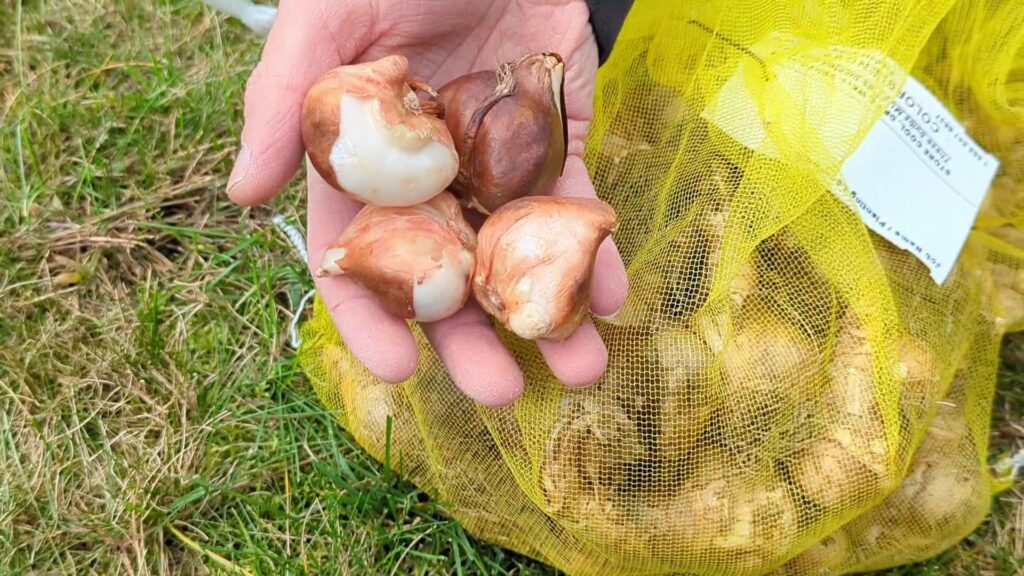
2. Accounting for Local Wildlife
The second mistake is not considering the wildlife in your area. Some bulbs, like tulips, are irresistible to deer and other critters. If you have issues with deer, voles, mice, or other animals, opt for bulbs that are resistant to these pests. For example, daffodils are a great alternative to tulips in areas with high deer populations because daffodils are toxic to animals.
3. Over-fertilizing Spring Bulbs
Mistake number three is unnecessary fertilization. Bulbs contain all the nutrients they need to produce flowers for the next year. In most cases, they can obtain any additional nutrients from the local soil. If you’re concerned about soil nutrition, consider getting a soil test for your garden to determine what, if any, amendments are necessary.
4. Planting Bulbs Containers
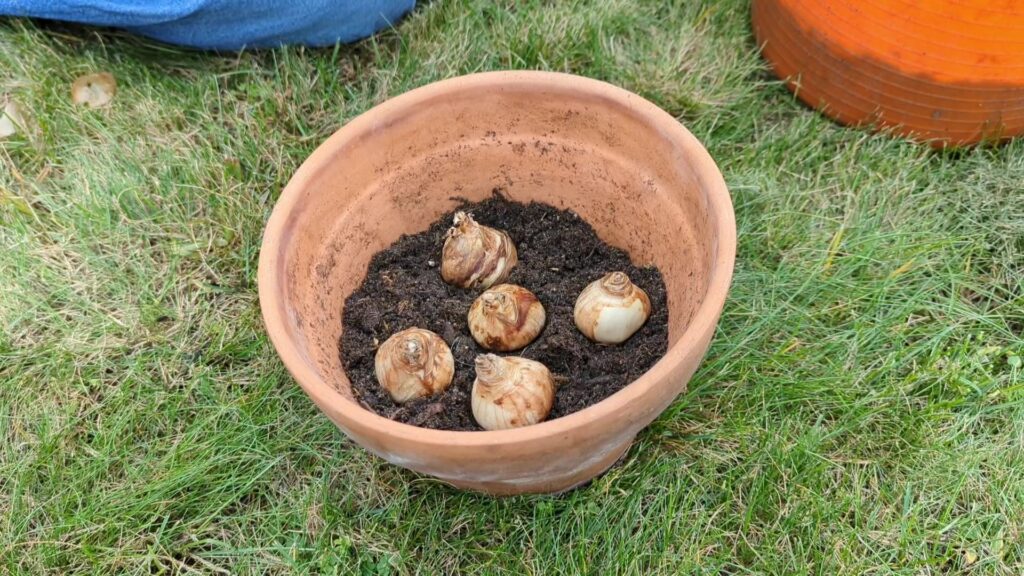
The fourth mistake relates to planting bulbs in containers, especially in wet and cold climates where bulbs can rot easily. If you want to plant bulbs in containers, follow these tips:
- Use a well-draining soil mix, incorporating sand or grit.
- Place bulbs in an even layer (multiple layers can be used in larger containers)
- After planting, place the pots in a sheltered area like a shed, cold garage, or under a deck.
- Protect the pots from critters with fencing or other barriers.
- Be aware that bulbs in pots are more exposed to cold temperatures than those in the ground, increasing the risk of failure in very cold climates.
5. Don’t Remove Foliage Too Soon
The final mistake is cutting back foliage too soon in the spring. You can remove spent flowers, but leave the green foliage intact. It’s important to let the foliage die back naturally, as it feeds the bulb for next year’s growth. Once the leaves have died back completely, you can clean up the foliage. You’re bulbs will be all set for another display next year.
Bonus Tip: Order Bulbs Wisely
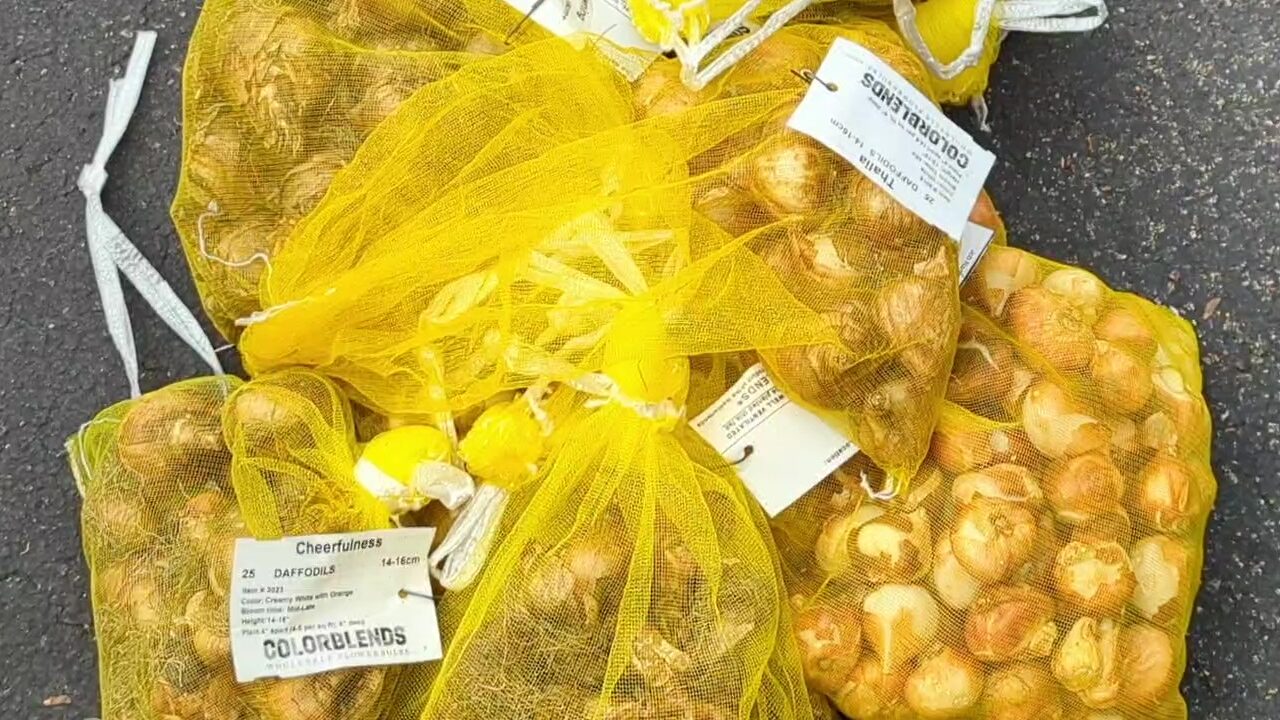
Here’s a bonus tip: be mindful when ordering bulbs. It’s easy to get carried away and order more than you can realistically plant, especially if you have rocky or clay soil. Start with a manageable amount and remember that you can add to your display each year. Plus, many bulbs will naturally multiply over time, allowing you to divide and replant them throughout your garden.
By avoiding these common bulb planting mistakes, you’ll be well on your way to a spectacular spring bulb display. If you’d like more information, check out our bulb planting playlist on the Frog Pond Gardening YouTube Channel.
Happy planting!
We’d love to hear from you! Leave comment or question. You can also join our mailing list get weekly tips right in your inbox.


COMMENTS