

Adding a pond to your garden is an excellent way to enhance biodiversity and bring a touch of nature to your outdoor space. While the idea of building a pond might seem daunting, there are several easy options for beginners. In this post, we have outlined three pond-building ideas that anyone can tackle:
Container Pond
A container pond is an easy and inexpensive way to add a water feature to your patio or deck. It can be a fun way to add additional interest to your existing space. To put together a container pond you’ll need:
- A watertight container.
- Rocks or gravel for the bottom.
- Oxygenating plants.
- Stones or a log for creatures to climb in and out.
- Optional: a pump with a fountain or aeration stone for moving water.
- Maintenance tips:
- Monitor and remove leaves and debris regularly.
- In cold areas, disassemble the pond for winter to prevent freezing damage.
You can really get creative with the container that you choose. Just make sure that there’s a way for any insects or other creatures to get in for a drink and (most importantly) get back out again. A fountain or aerating stone (like ones they make for aquariums) are helpful for adding oxygen to the water. Plus a fountain can be nice if you like the sound of moving water.
Simple In-Ground Garden Pond
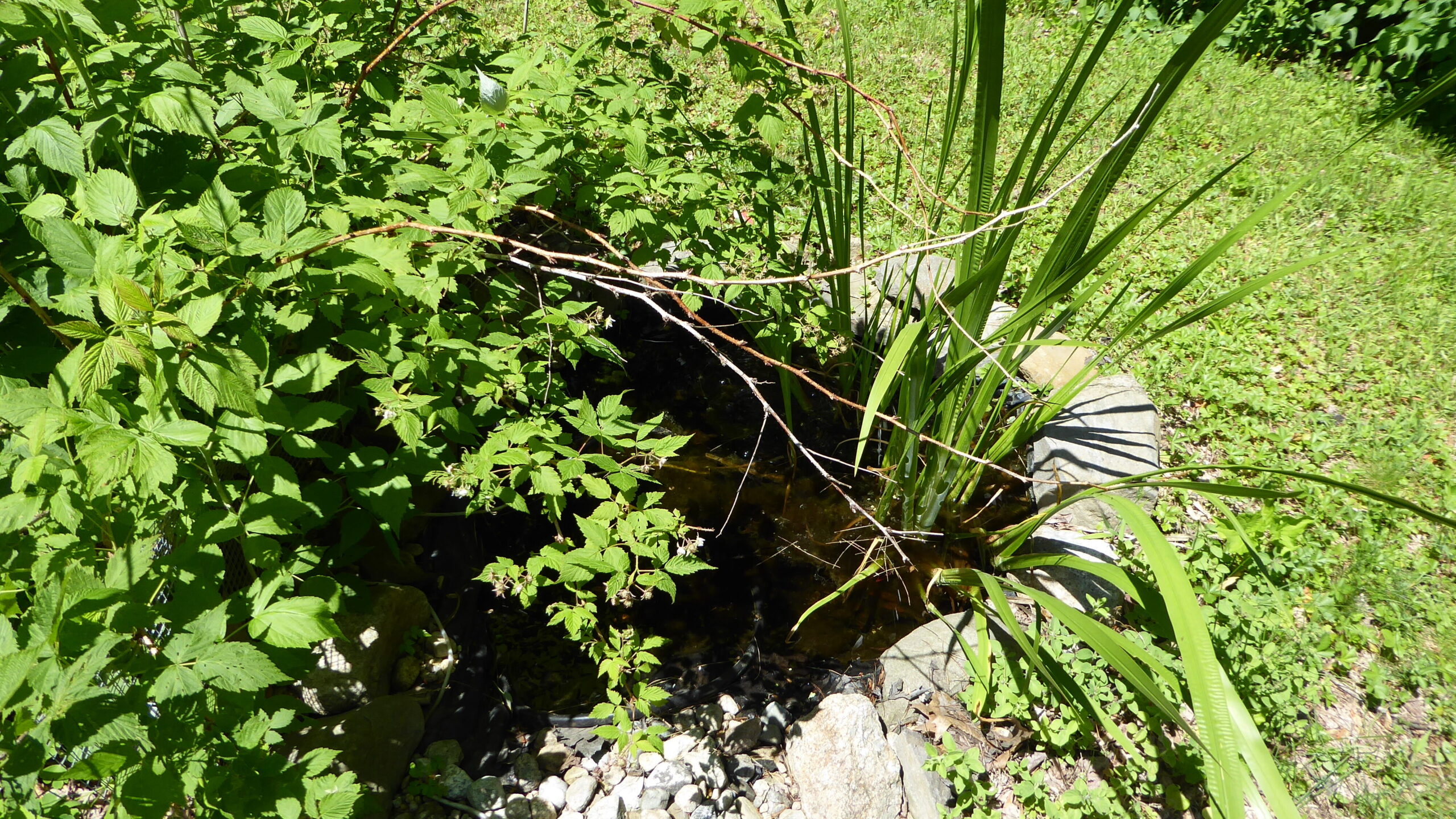
This type of pond can be completed in an afternoon and is a great way to incorporate a water feature into your garden. Key features:
- Size: Really is up to you and how much digging you’d like to do. But to keep this project simple, we built ours about 2′ x 3′ and 2-3′ deep.
- Use a felt liner and an aquatic-safe pond liner. Don’t worry if there are some wrinkles when you lay in the liner. It will create hiding places and more surface area for beneficial creatures and bacteria.
- Use flat stones around the edges for a natural look. If you can scavenge rocks from your own property, all the better!
- Create a gradual slope on one side for easy creature access.
- Consider adding a small filter and solar-powered aerator. This can help with keeping the water clear and healthy.
- Maintenance: Clean out excess organic matter regularly, being careful to allow any small creatures to return to the pond. When you take out debris, set it on the side of the pond for day so that the creatures can find their way back into the pond.
The great thing about a small pond like this is that you can try out the plants and perfect the balance plants and beneficial creatures to keep the water clear, all without a significant time or money investment.
Garden Wildlife Pond
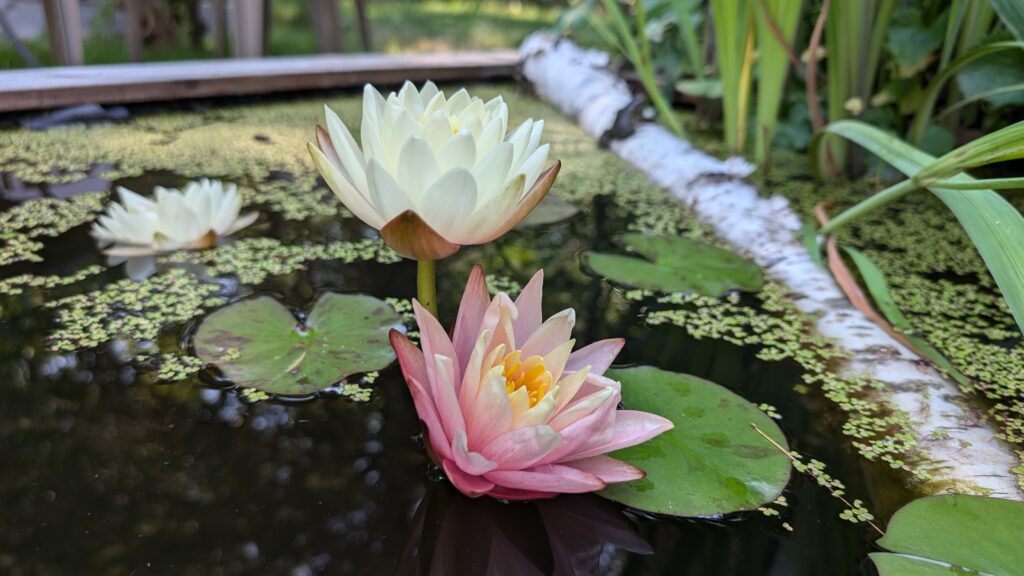
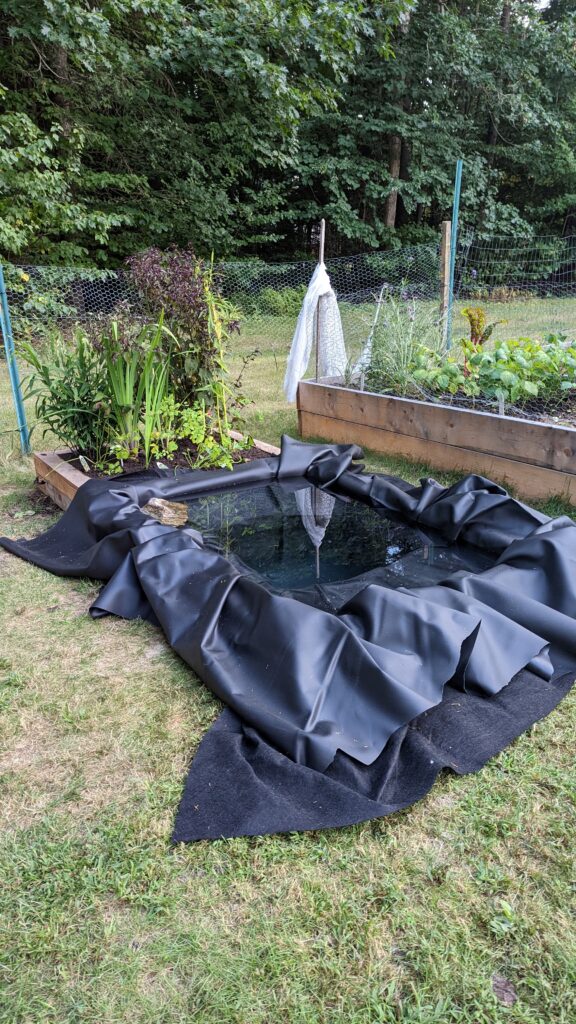
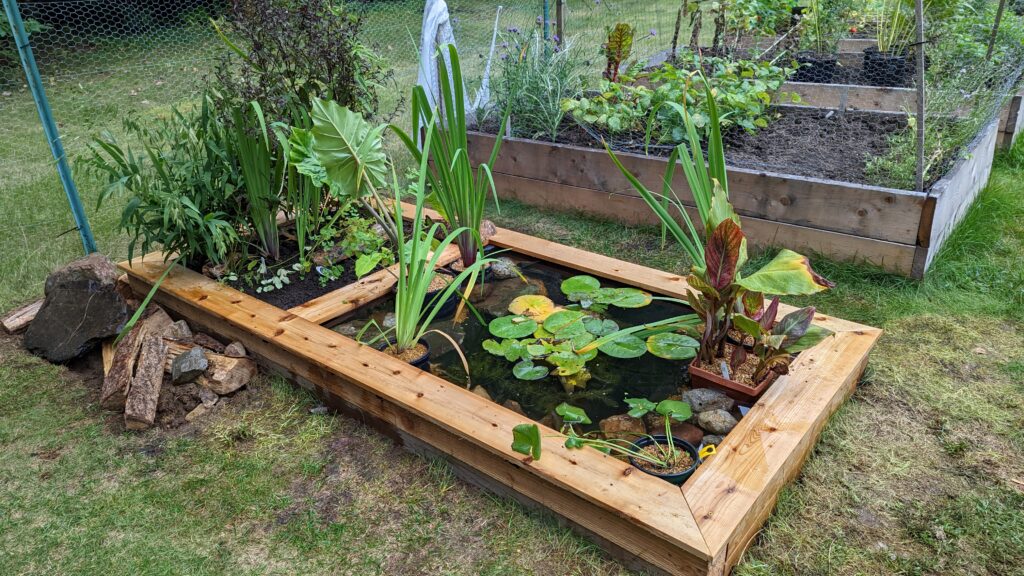
This slightly larger project combines a pond with a bog garden section. I recommend marking out where you want the pond to go. We chose a rectangular shape because a) it was in theme with our raised garden beds and b) it easy to build with dimensional lumber. Key features include:
- Size: About 3′ x 4′ (1 square meter) for the pond section. This is a good size for attracting wildlife to your pond and garden area.
- Use posts or other appropriate lumber for building the walls. This will give extra height and also allow you to create a level pond area. We used 4″x4″ cedar posts to frame our garden pond.
- Carve out a deep section (3-3.5′) for hardy water lilies. They need to be deep enough to survive winter. Consult your local garden center for the right options for your growing region.
- We also added shelf sections for setting potted aquatic plants, like iris and marsh marigold.
- Just as with the smaller pond, you’ll need to use a fabric liner and waterproof pond liner.
- We capped the cedar posts with 1″x6″ cedar planks to help give it a finished look. Plus it makes a nice edge to sit on while you’re enjoying your pond.
- And be sure to include a log or other way for creatures to enter and leave the pond.
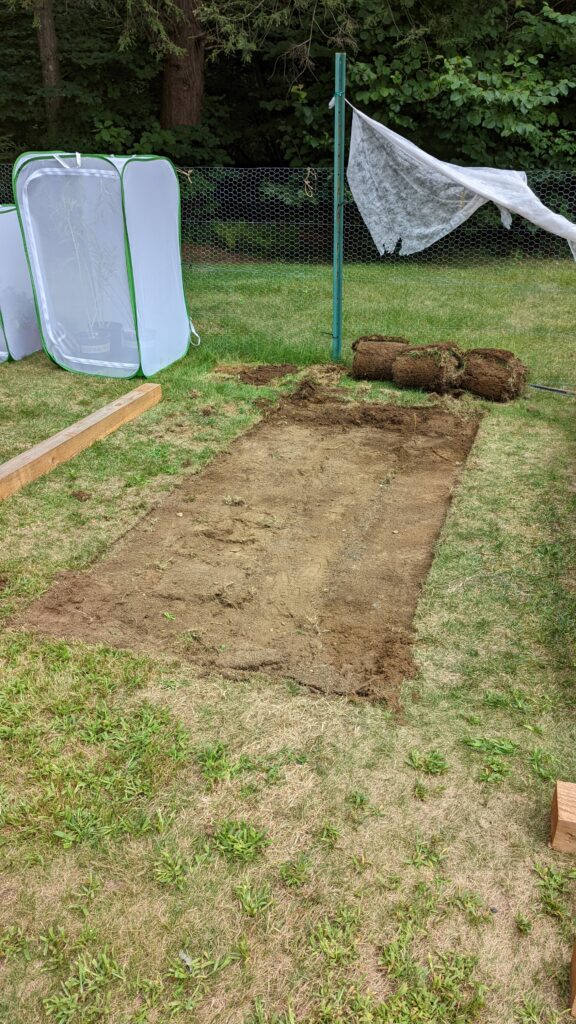
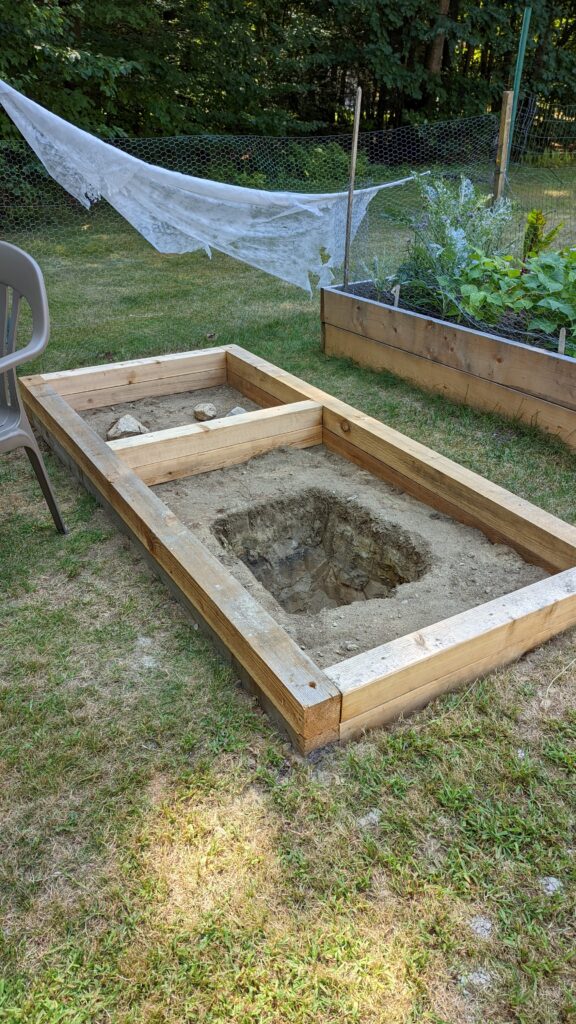
Bonus: Bog Garden
In addition, we added a boggy or damp section to the pond. For this section, we dug down about 3-4 feet. Then the hole is lined with plastic (we used old soil bags). Punch holes in the bag to allow water to drain, but slowly. The key here is creating a spot where the soil stays damp, but still is able to flow through to the ground so that the water doesn’t become stagnant.
Adding a pond to your garden can greatly enhance your outdoor experience. Start with one of these simple projects and you’ll wonder how you ever lived without a garden pond!


COMMENTS