

The end of the season means making the most out of the last of the harvest. In many areas, pepper plants in particular are treated as annuals. But they don’t have to be. In this week’s blog post we will guide you through the process of overwintering your pepper plants, ensuring you can enjoy a bountiful harvest year after year. From selecting the right plants to preparing them for dormancy, as well as proper storage techniques to maximize their survival chances, we hope this easy guide inspires you to overwinter peppers plants this year. You’ll be able to preserve your favorite pepper varieties and give them a head start for the next growing season.
Selecting Your Plants
Start by identifying which pepper varieties that you like the best. We usually grow several varieties each year, including some favorites and some new ones. Think about which are prolific producers or are the best tasting or have that spicy kick you love to cook with.
Then, before the first frost, choose healthy, strong plants that you want to keep for the next growing season. Make sure to do this at least one to two weeks before the first frost hits your area. Frost will likely damage the plants, especially a hard frost (temperatures of 32-28 F).
Preparing Your Plants
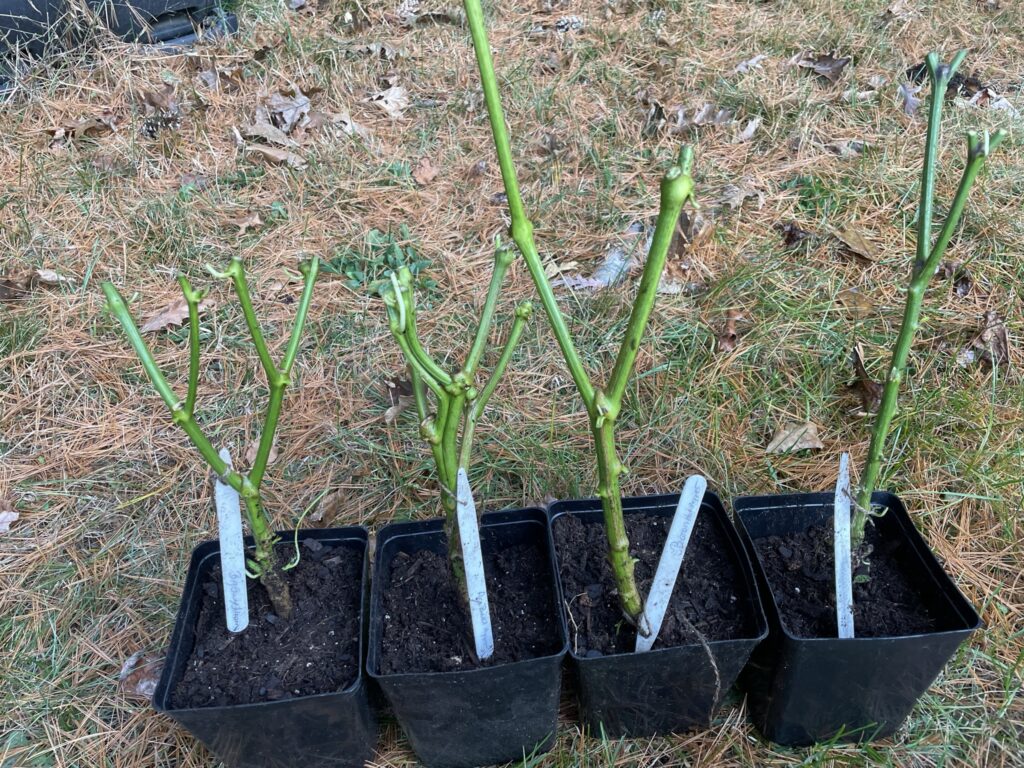
Label your plants! Since they won’t have leaves, it’s crucial to know which variety is which. It can be helpful to use a label that you can tie onto the plant with string so that it doesn’t fall off or get misplaced over the winter.
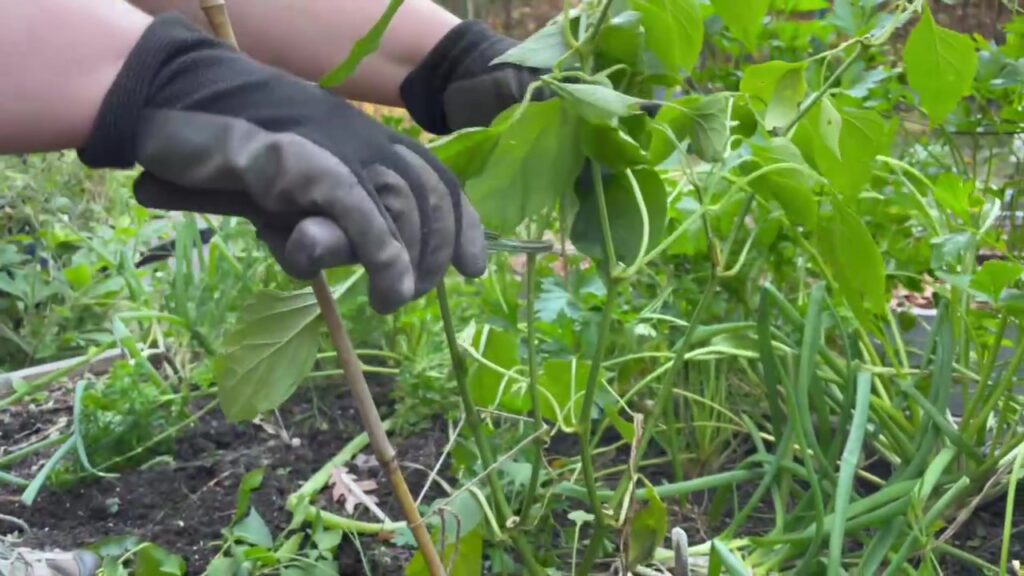
Remove all the foliage and excess stems. The plants will be dormant over winter and won’t need them. We aren’t trying to continue growing and harvesting peppers during the winter. Then carefully dig up the plants to minimize damage to the roots. Place them in a bucket and cover the roots with soil to prevent them from drying out while you work on other plants.
Clean your plants thoroughly using a hose to remove all soil and any lingering pests. Spray the plants with neem oil or a similar natural pest control product to reduce the risk of pest overwintering along with your pepper plant. Make sure to follow the product’s instructions.
Repotting and Storing
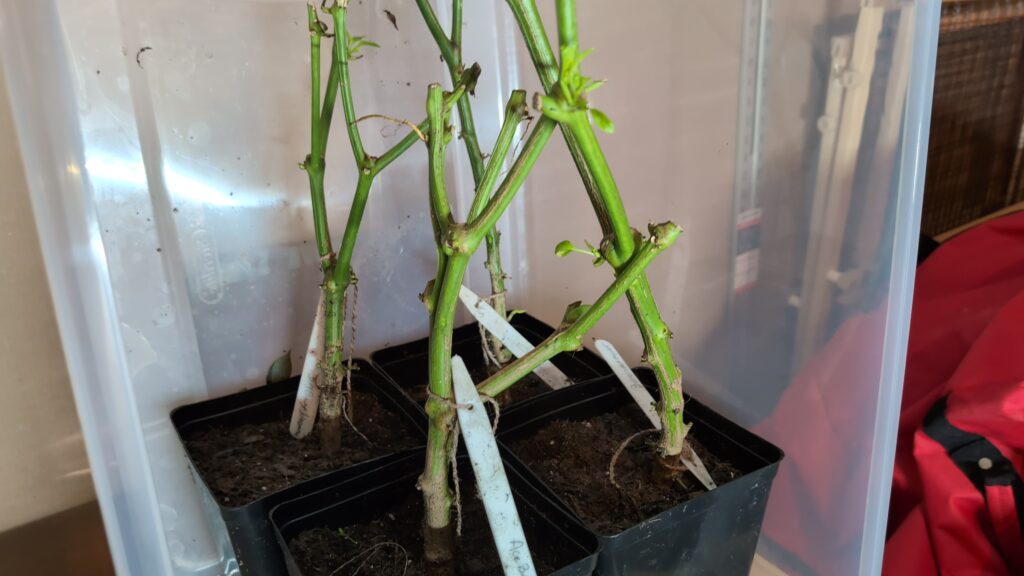
Repot your plants using fresh potting soil. Don’t reuse garden soil as it may harbor pests that could affect your pepper plants during dormancy. Then place the potted pepper plants in a plastic bin or container to help maintain humidity.
Store the container in a cool, dark place like a basement, where the temperature remains consistent. Do not keep them in a place which gets near or below freezing during the winter.
And don’t for get to check on your plants at least once a month to make sure they are still moist. If the soil is dry, give them a light watering.
Checking for Life
The pepper plants are dormant and they won’t be putting on new growth over the winter. But you can (and should) check if they are still alive by doing a scratch test. Use your fingernail to scratch a small section of the stem. If you see green underneath, the plant is still alive!
By following these simple steps, you can successfully overwinter pepper plants and enjoy their delicious fruits for many seasons to come.
Last year we made a video outlining this process. You can check it out on the Frog Pond Gardening YouTube Channel.


COMMENTS