

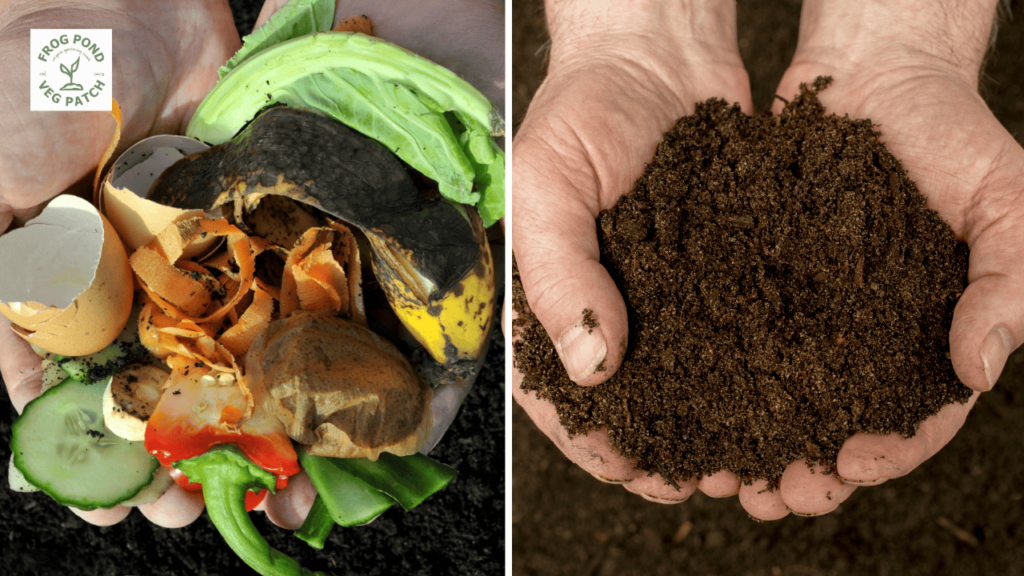
Composting is a fantastic way to reduce food waste while creating nutrient-rich soil for your garden. This guide will explore easy composting methods suitable for any living situation, along with the numerous benefits this practice brings.
Benefits of Composting
- Reduces waste sent to landfills
- Creates nutrient-rich soil for gardens
- Improves soil structure
- Helps reduce greenhouse gas emissions
- Saves money on fertilizers and soil amendments
Three Easy Composting Methods
1. Trench Composting
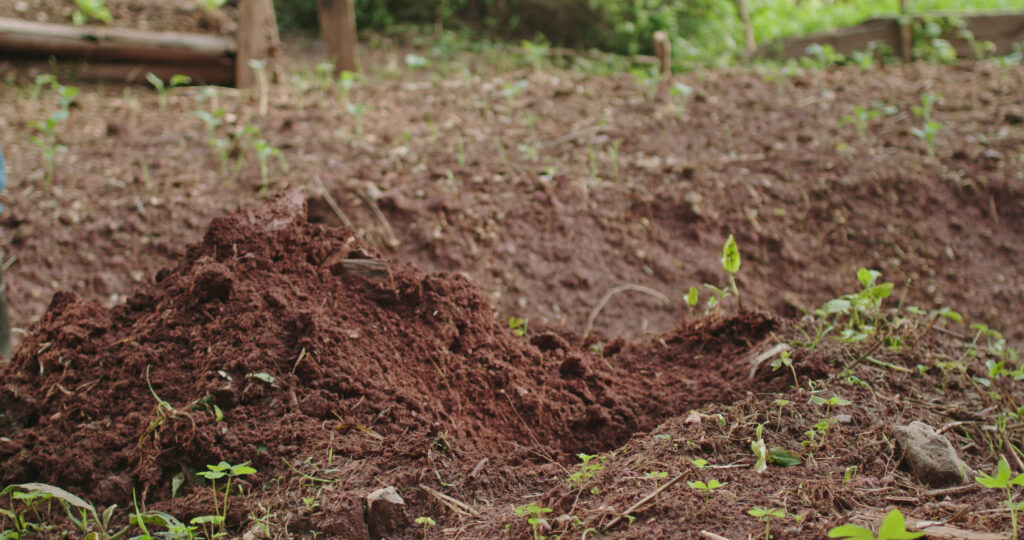
The simplest method involves burying kitchen scraps directly in your garden. Simply:
- Dig a hole in your garden bed about 6 inches deep. You can make the trench deeper, especially if you’re concerned about squirrels or other animals looking for food. Be careful not to disturb the roots of any nearby plants.
- Scatter the organic material right in the trench. Make sure to break up any large vegetable scraps into smaller pieces. Smaller materials will break down more easily.
- And then cover with soil.
This method requires no special equipment and works well for small amounts of food waste – like potato peels, carrot tops (if you don’t use them in the kitchen), egg shells, banana peels, etc.
2. Tumbler Composting
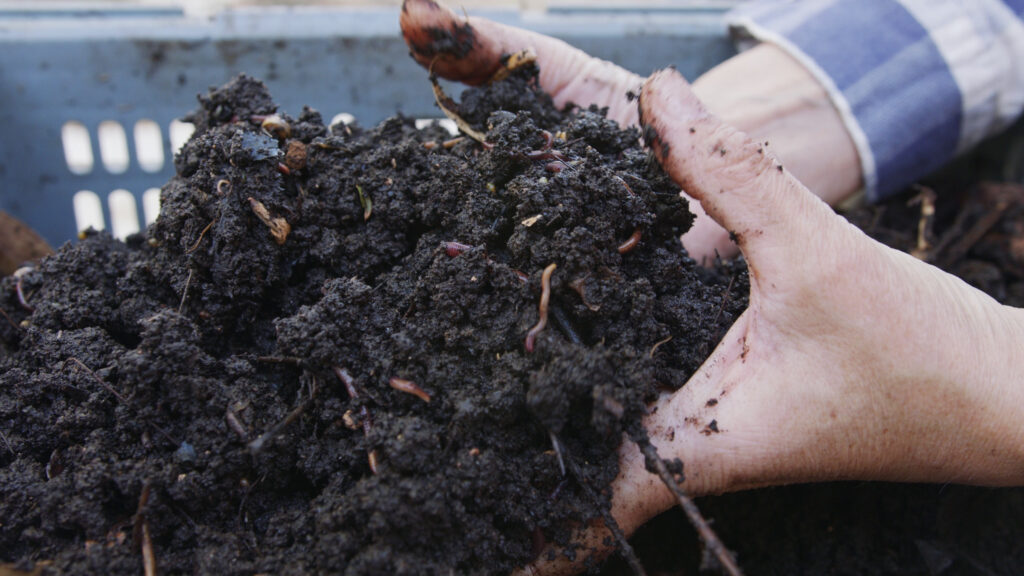
Perfect for those with limited space, a compost tumbler is a contained system that speeds up decomposition through regular turning. Benefits include:
- Faster decomposition than traditional methods.
- Contained system that deters pests – most of the time. We have had animals chew the side of our tumbler. But generally, the containers should keep pests away from the food scraps while they break down.
- Easy to turn and aerate which is important for decomposition.
- Containers can also help concentrate heat, which can help speed up the process.
- Ideal for small spaces.
Be sure to include a mixture of “browns” (carbon-rich materials like leaves and small twigs) and “greens” (nitrogen-rich materials like vegetable scraps and grass clippings). Successful composting relies balancing the sources of carbon and nitrogen-rich organic material.
3. Traditional Bin Method
For those with more space, the traditional 3-foot cube method offers excellent results:
- Create a 3x3x3 foot structure using wood or chicken wire.
- Layer green and brown materials. The final layer should be brown material.
- Bury new green material (like kitchen scraps) in the center of the pile and be sure to it cover over.
- Turn pile twice yearly, once in the spring and once in the fall. The top will become the bottom, the bottom will become the top.
- Optional: Create multiple bins for continuous composting.
What to Compost
Successful composting relies on the right mix of materials:
Good to Compost:
- Fruit and vegetable scraps
- Coffee grounds
- Tea bags (make sure the tea bags themselves are not made using plastic)
- Yard waste and small twigs
- Grass clippings (without seeds)
Avoid Composting:
- Meat and dairy products
- High-fat foods and oils
- Diseased plants
- Weeds that have gone to seed
Tips for Success
- Keep material moist but not wet
- Maintain a good balance of green and brown materials
- Cut materials into smaller pieces for faster decomposition
- Monitor temperature for optimal decomposition
Remember, there’s no single “right” way to compost. Choose the method that best fits your space, lifestyle, and gardening needs. With a little patience and attention, you’ll soon be creating rich, fertile compost for your garden while reducing your environmental impact.
For more details – check our video guide at Frog Pond Gardening on YouTube!


COMMENTS