

A garden pond can be small, easy to maintain, and super beneficial. Adding one can really boost biodiversity by creating a habitat for creatures that wouldn’t otherwise be in your garden. And personally, I don’t think a garden is a garden without a wildlife pond, and I think you’ll agree.
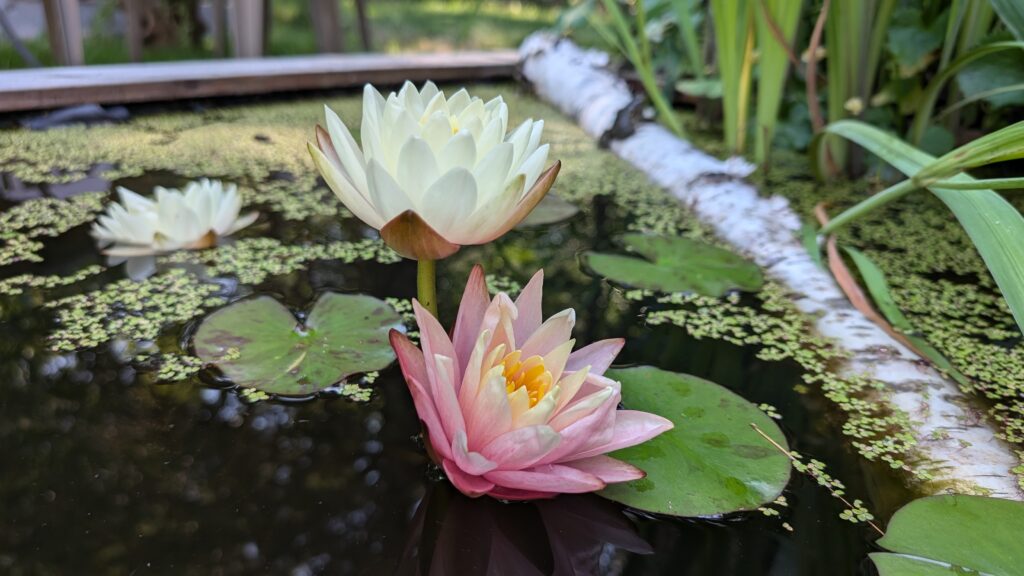
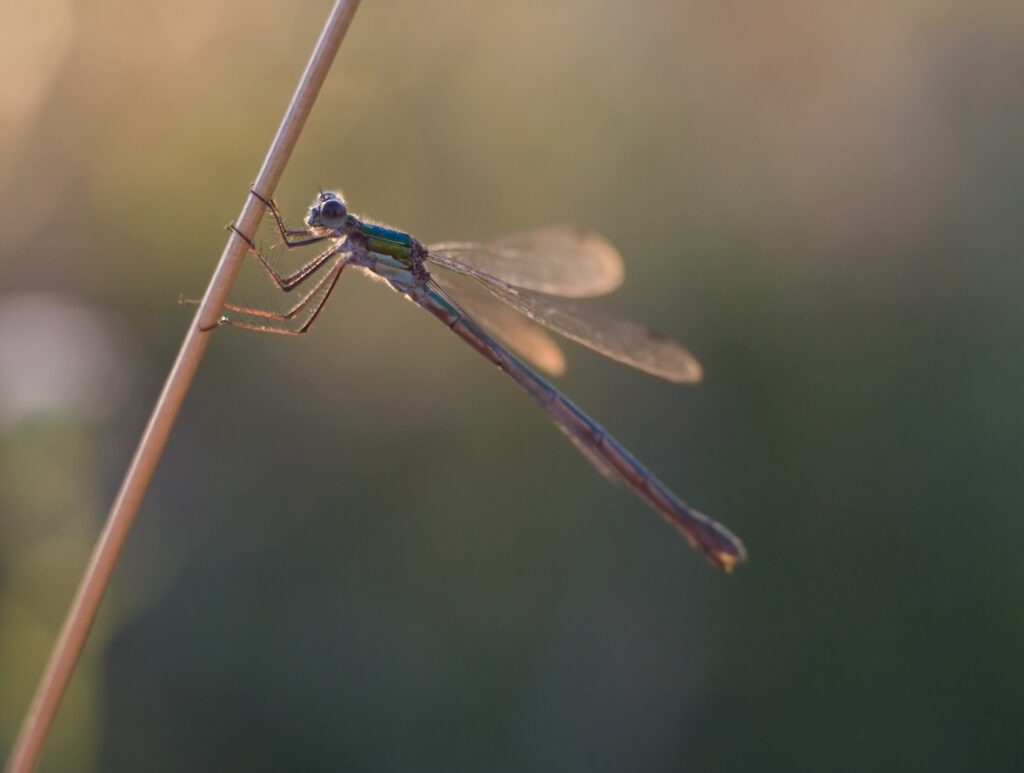
A pond is a wildlife haven. Frogs, birds, and small mammals love having a water source and a place to hide from predators. Plus, creatures like frogs, toads, salamanders, dragonflies, and damselflies are not only fun to watch but also helpful. Damselflies and dragonflies help control mosquitoes, and frogs eat slugs and other insects, keeping pests in check.
The Build
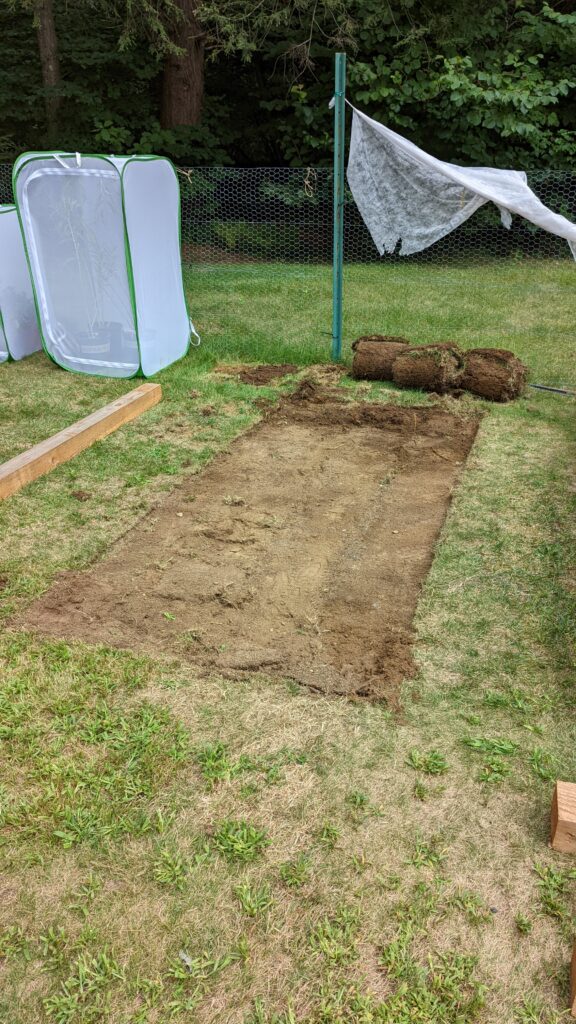
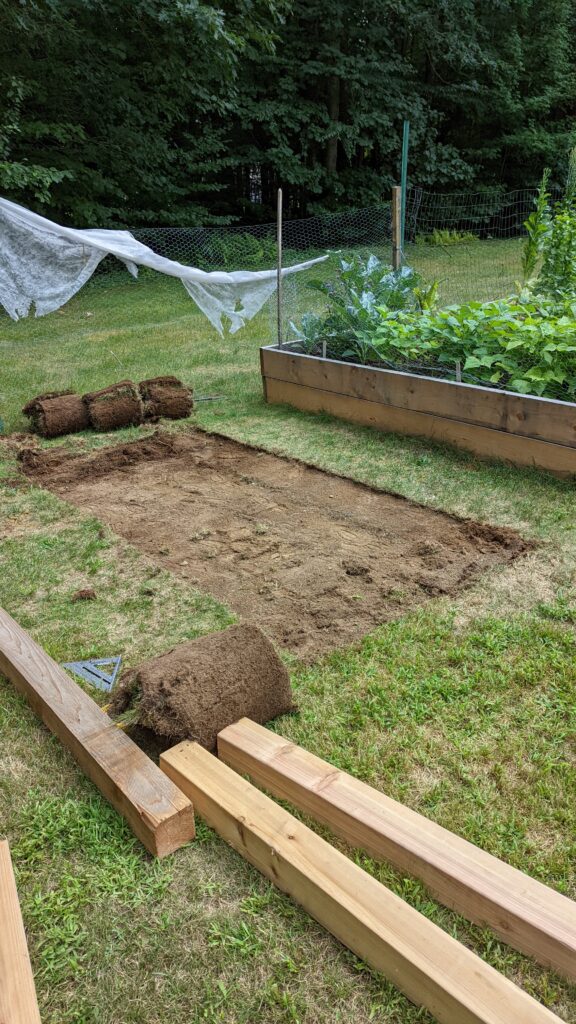
To build our pond, we dug a section about 3 to 3.5 feet deep for growing hearty water lilies. We added shelves for potted plants and lined the pond with fabric and a waterproof liner. The pond is essentially no-maintenance for us. It’s important to make sure that the nutrient levels don’t get out of balance because that’s what lets the algae grow. We leave most of the leaves that fall into the pond to sink to the bottom. These get broken down by the critters living in the pond and that’s what feeds the plants. Plants like duckweed and water lilies also block sunlight, reducing algae even more, while tadpoles eat any excess algae and duckweed, keeping things balanced.
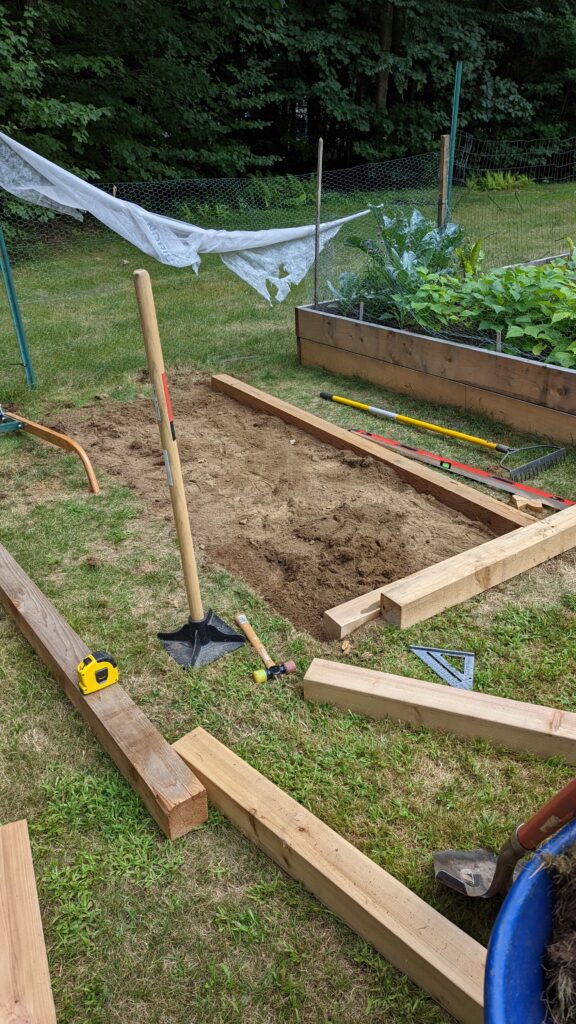
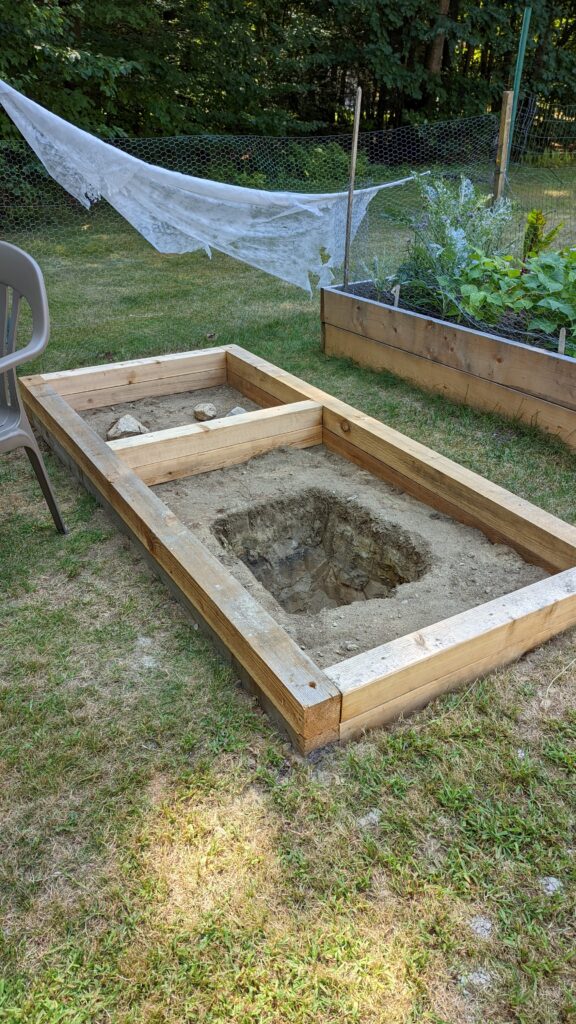
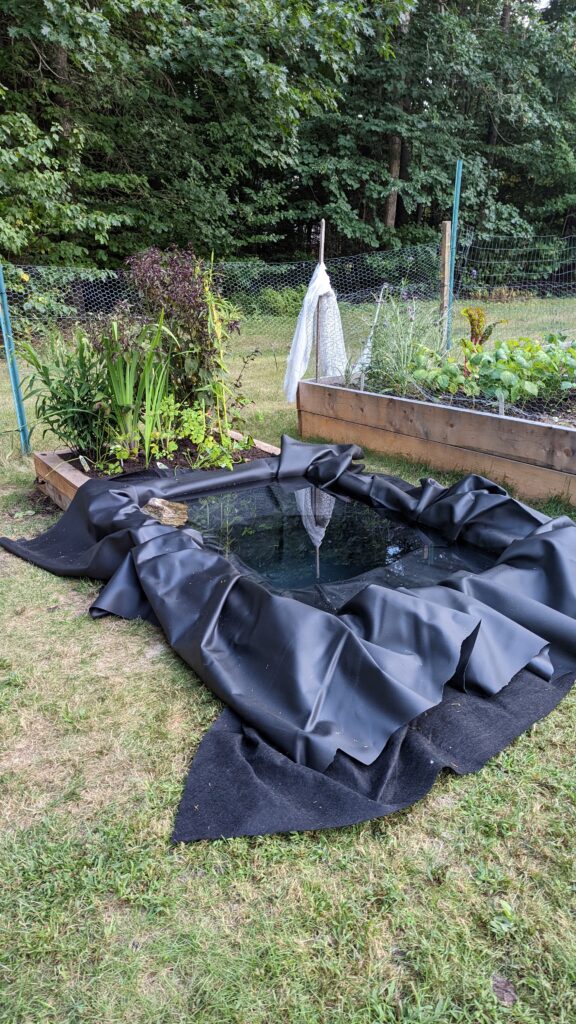
Various plants in the pond produce oxygen through photosynthesis, which is crucial for the pond’s health. A mix of species indicates a healthy habitat with enough food and protection. We’re using plants that are native in our area which creates a habitat that the critters are used to, but it is always fun to mix in a few tropical annuals even though they won’t survive our winter.
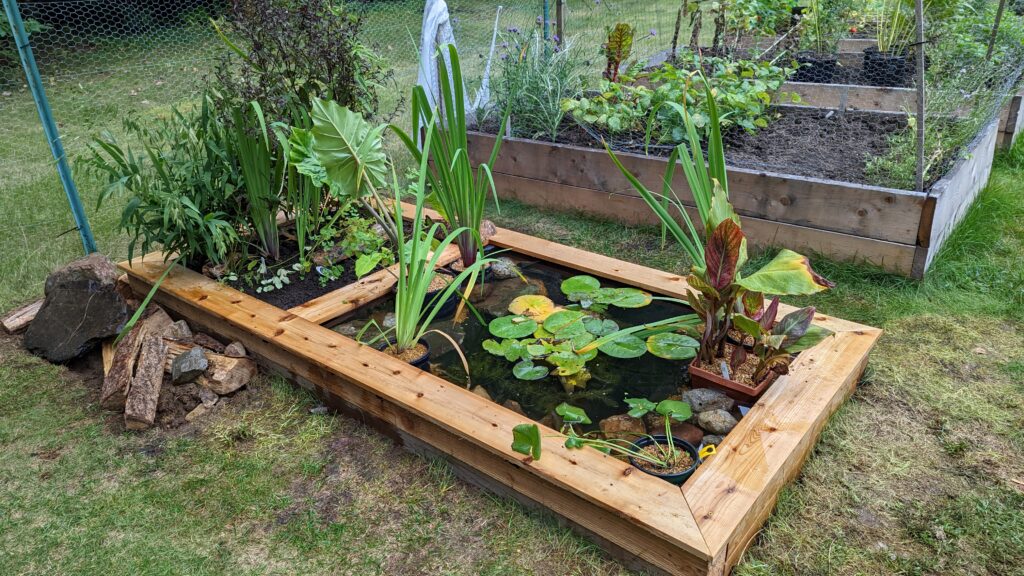
Plants & Wildlife
One note about plants: It’s important to be responsible and not introduce or remove plants or animals from native ponds. Doing this could spread diseases, and it can introduce invasive species into the wild as well. Everything for our pond was sourced from a local garden center, where you can get advice on what to include and how to care for the plants. All the critters have moved in on their own.
The first visitor we had when we filled the pond (no plants yet, no nothing) was a pair of water striders. Next up was a 2-inch-long giant water bug! It doesn’t take much to attract wildlife to the pond. Since then we’ve had water boatmen, more giant water bugs, dragonfly and damselfly larvae, four species of frogs, eastern newts, spotted salamanders, a bunch of tadpoles, and countless little invertebrates.
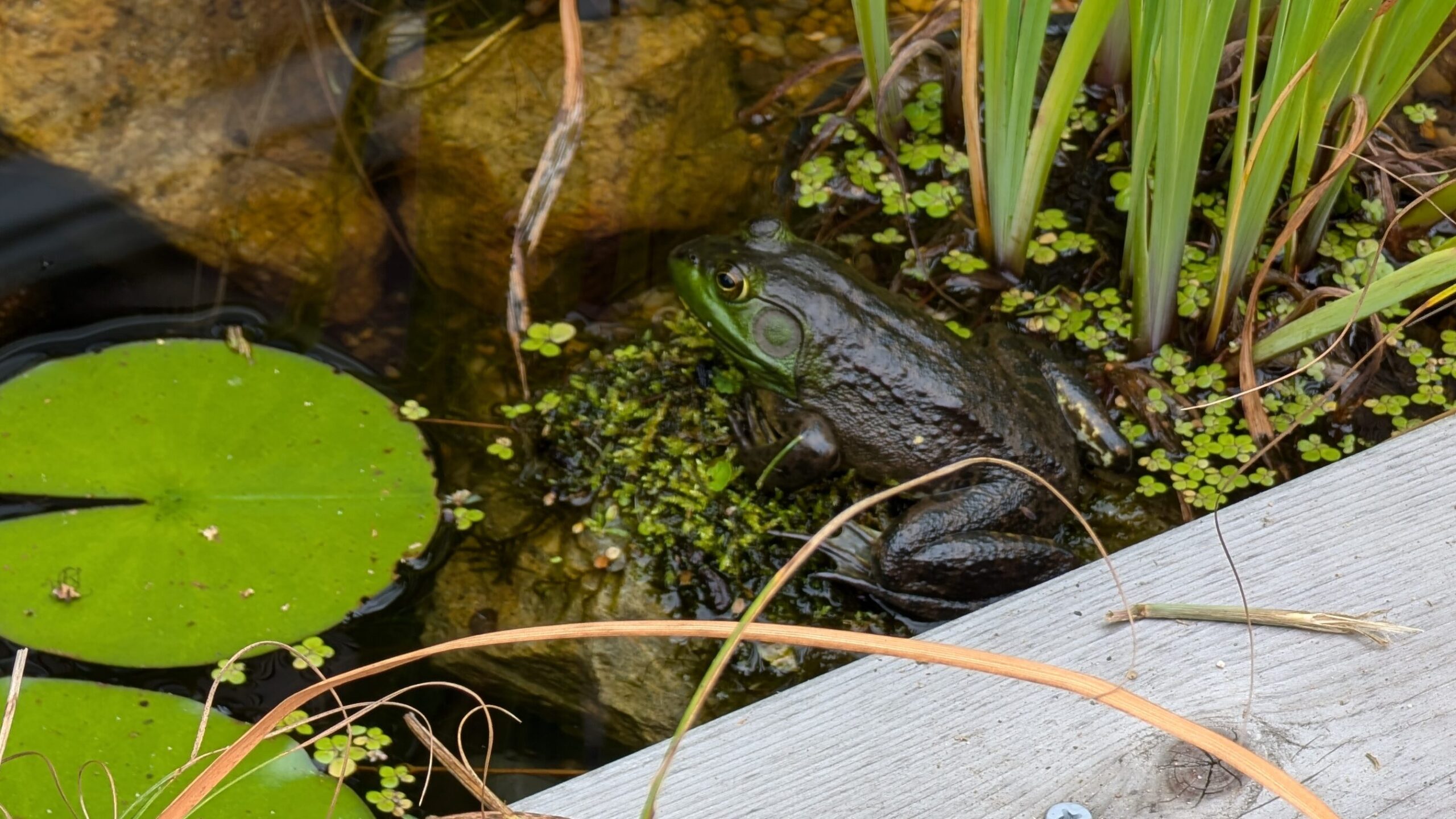
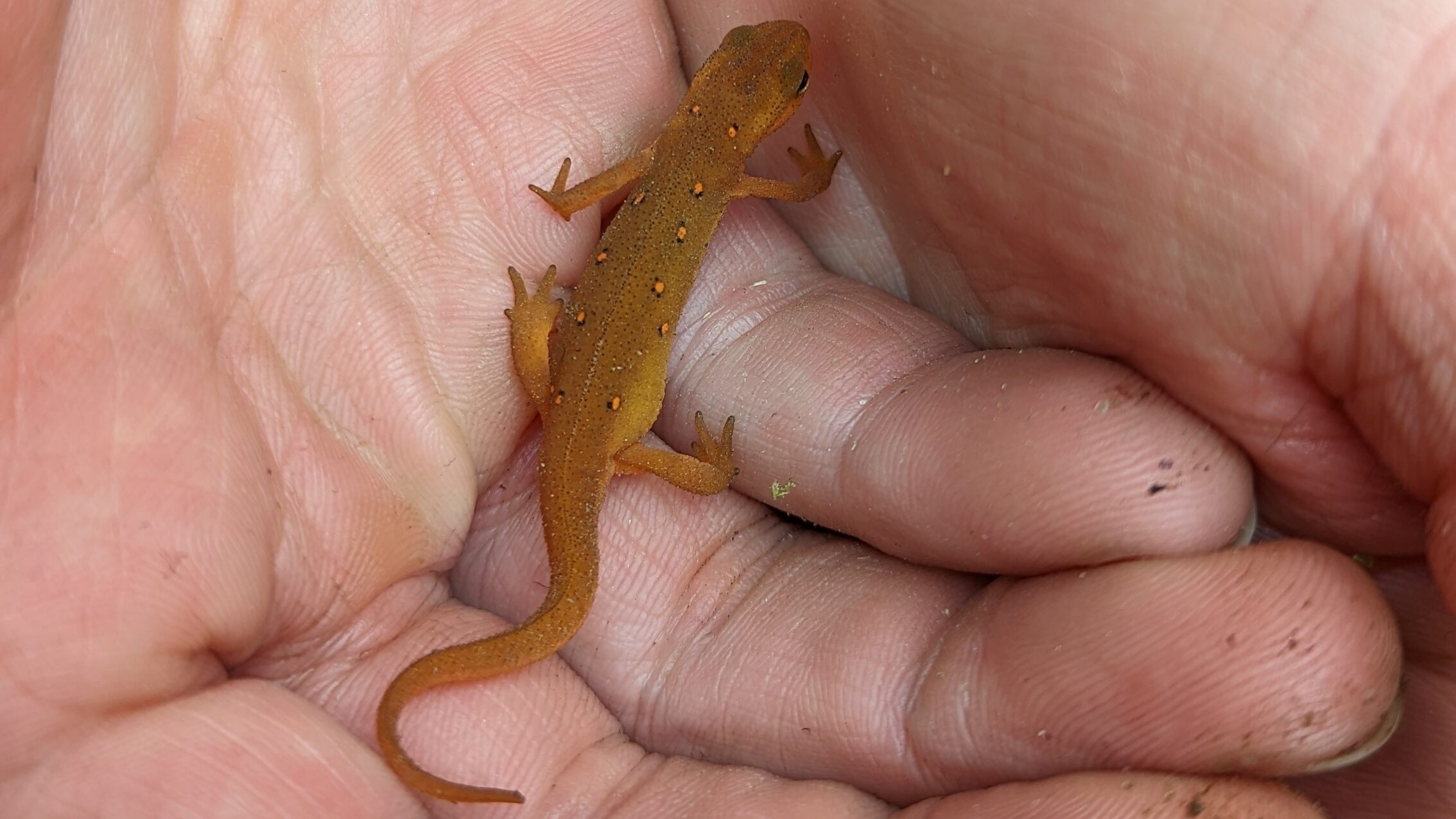
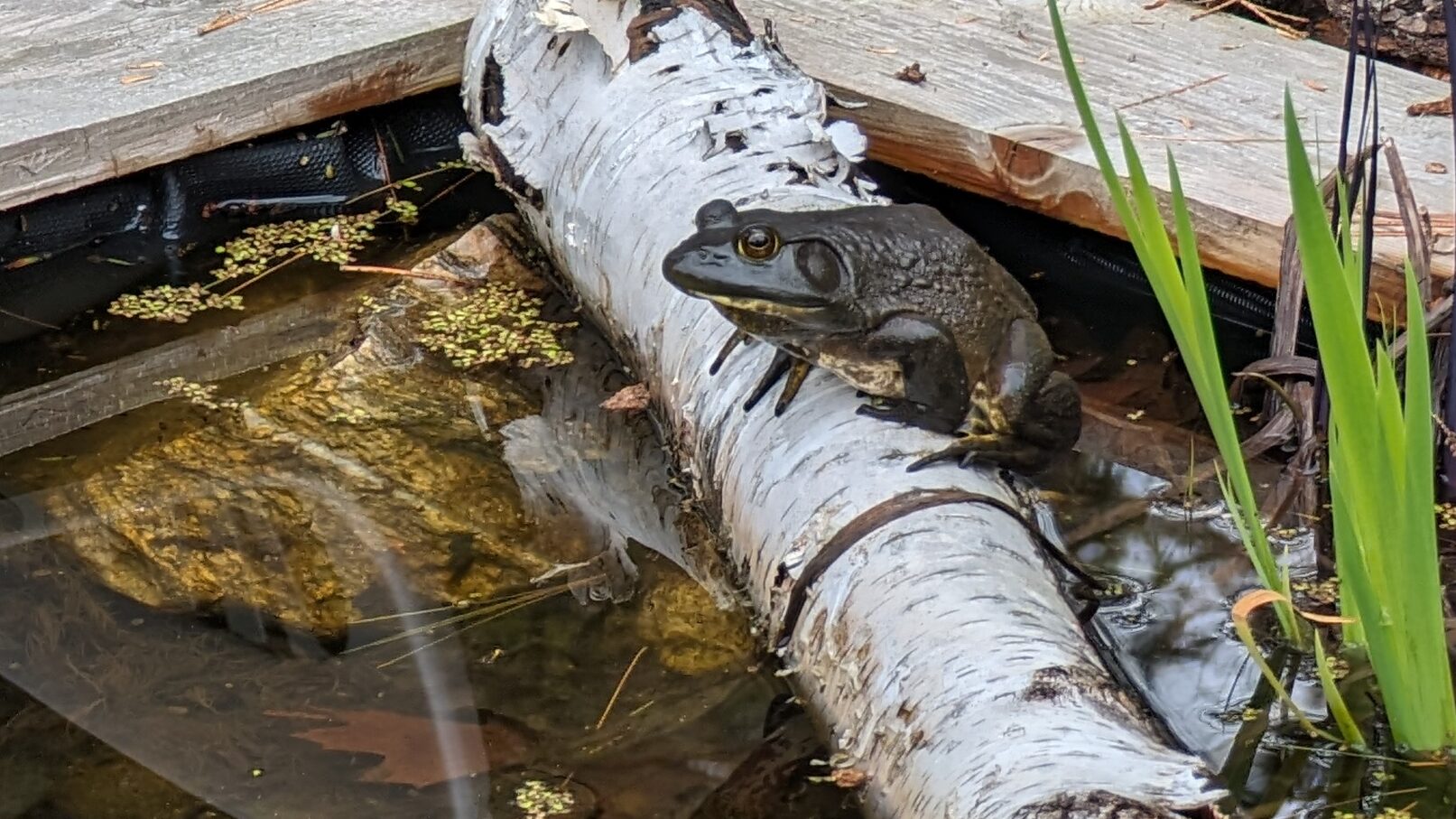
I hope this post inspires you to consider adding a pond (or two) to your garden. I can’t tell you how much I love having a pond close by and how much it has added to our space. Whether it’s a tiny patio pond or a huge water feature, ponds are valuable to wildlife, your garden, and your mental health. If you have any questions, be sure to leave those down below. I’d love to help you get your pond up and running! Don’t forget to find us on social, and also check out our YouTube channel. You can find us everywhere at Frog Pond Veg Patch.


COMMENTS